|
|
|
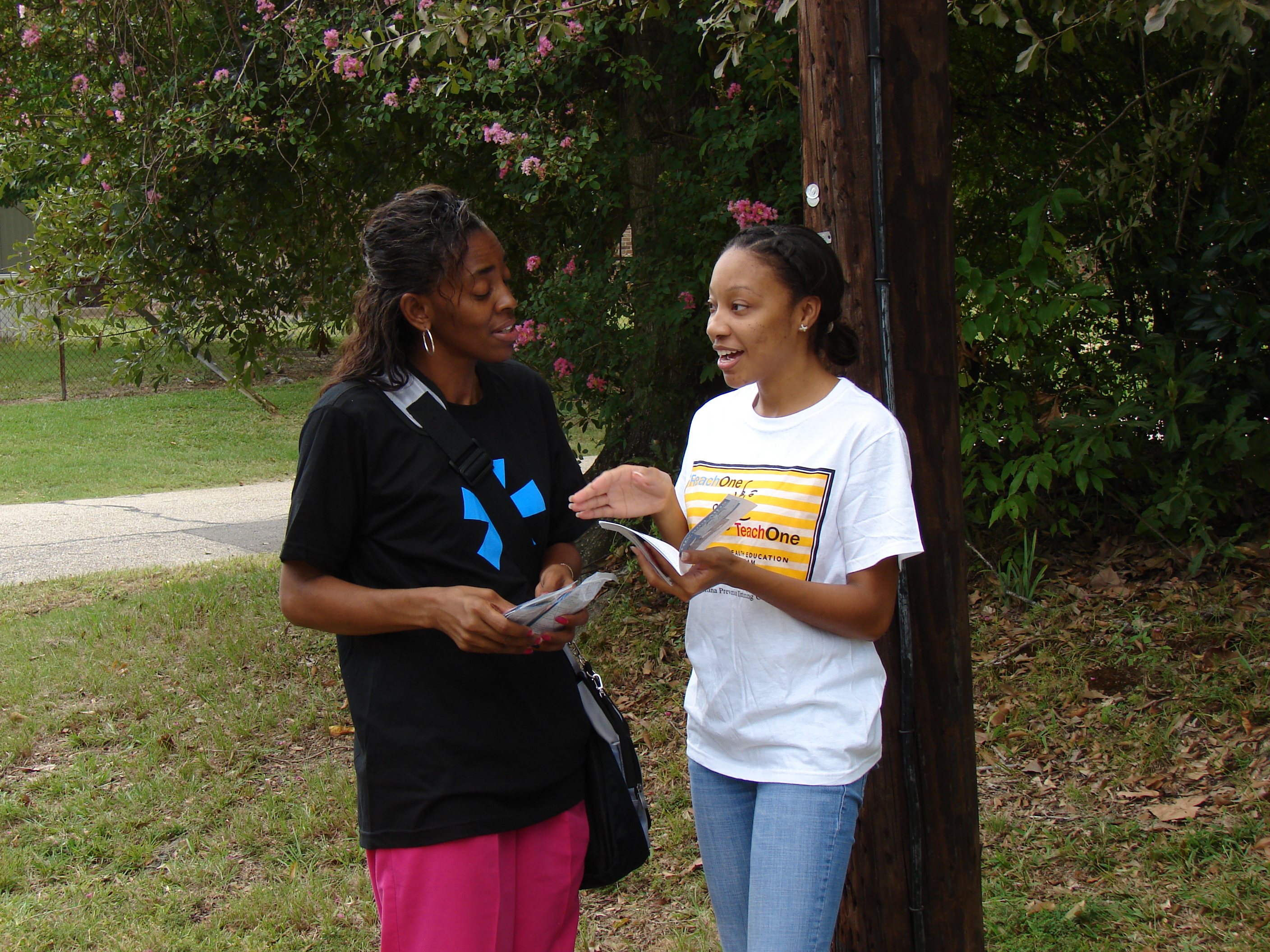
Specially trained outreach workers meet with individuals engaging
in high risk behaviors to teach them how to avoid contracting the virus.
These
activities take place in the Baton Rouge, Port Allen, Clinton, Jackson, Gonzales, Plaquemine, New Roads, St. Francisville,
Donaldsonville, White Castle, Prairieville, St. Gabriel, Geismar, Darrow, Carville and Sunshine.
BRASS offers venue-based
outreach services to two local bars in the Baton Rouge area. This intervention has taken place since 2001. This outreach includes
multiple interventions at one location (HIV Testing, Posters, Outreach, Peer Training, Etc.).
|
|
"Members of the Outreach Team offer literature, free
condoms and educational material to Members of the Community"
|
|
BEHAVIOR CHANGE MODEL
STEP ONE - KNOWLEDGE AND AWARENESS
A
good Behavior Change Model begins with Knowledge and Awareness. You have to identify that there is a need to change and what
it is that needs to be change. In most cases, you can obtain the necessary knowledge from sources other than yourself. You
can read information from literature and brochures. You can watch a video tape or movie. You can even attend conferences
or listen to tapes. However, this is only the first step in changing your behavior.
STEP TWO - SELF EFFICACY
Self
Efficacy is beyond the level of Self Esteem. This represents the next level of changing behavior. You have to accept and
recognize that you have value and worth within your community and within your family. This philosophy amplifies the need
for you to change a behavior.
STEP THREE - SIGNIFICANCE TO SELF
Once you have identified your level of worth
within your community, you must decide whether or not you have a personal need to change the behavior. You must identify
what impact the change in behavior will have in your life. In addition, what will happen if you don't change the behavior?
STEP FOUR - COST/BENEFIT ANALYSIS
The next level is to establish a Cost/Benefit Analysis. What will it cost
for you to change a behavior? The cost to change a behavior may not always include or be limited to financial cost. There
is a cost when you are deciding whether or not to change a behavior that may include: being dumped by your boyfriend or girlfriend,
having a roommate move out, loosing a friend. However, the benefit of a healthier life always seems to outweigh the cost.
STEP
FIVE - CAPACITY BUILDING
Once you have made it this far, you are near the end. You are now ready to step into the
level of Capacity Building. This is the point that you gather everything you need to successfully change the behavior. If
you decide to start using condoms, you have to go out and actually get the condoms. If you decide to change your behavior
by double dating, you have to gather the names of other couples that are willing to double date. If you decide to get tested
for HIV, you have to locate a site.
STEP SIX - PROVISIONAL TRY
Once you gather your tools, you are ready for
the next step! A Provisional Try is when you have gathered your tools, but you haven't completed the behavior change. You
picked up the condoms, but you forgot them at home. You located a HIV testing site, but you had to work late. You planned
a double date with some friends, but they didn't show up. This is the time to be strong and don't give up. Stick to your
plan!
|
|
STEP SEVEN - BEHAVIOR CHANGE
Finally! The behavior
change is complete! You now wear condoms each time you have sex! You have taken your HIV test! You only date on double
dates! The change has become a part of your life. The new change benefits your life and others. You feel stronger about
your beliefs and your value within your community. In seven small steps, you have changed the way you live your life. Take
the time to make a difference in your life!
|